This guide is based on independent research into published specifications and general guidance. South Report has not physically tested the products discussed.
If you own an iPhone, your options are narrower than the wider smartwatch market suggests. Apple restricts what third-party watches can do, so compatibility matters more than any single feature.
Apple Watch
Apple Watch has the deepest iPhone integration. It supports replying to messages, Apple Pay, Siri and apps from the watch itself. The main trade-off is battery life, as many models need charging every day or two. Compare the current models for size, health sensors and battery.
Fitness-focused alternatives
Fitness watches and trackers, from brands such as Garmin, Fitbit and others, can suit iPhone users who want long battery life or detailed training data. They usually show notifications, but iOS limits things like replying to messages.
Check compatibility
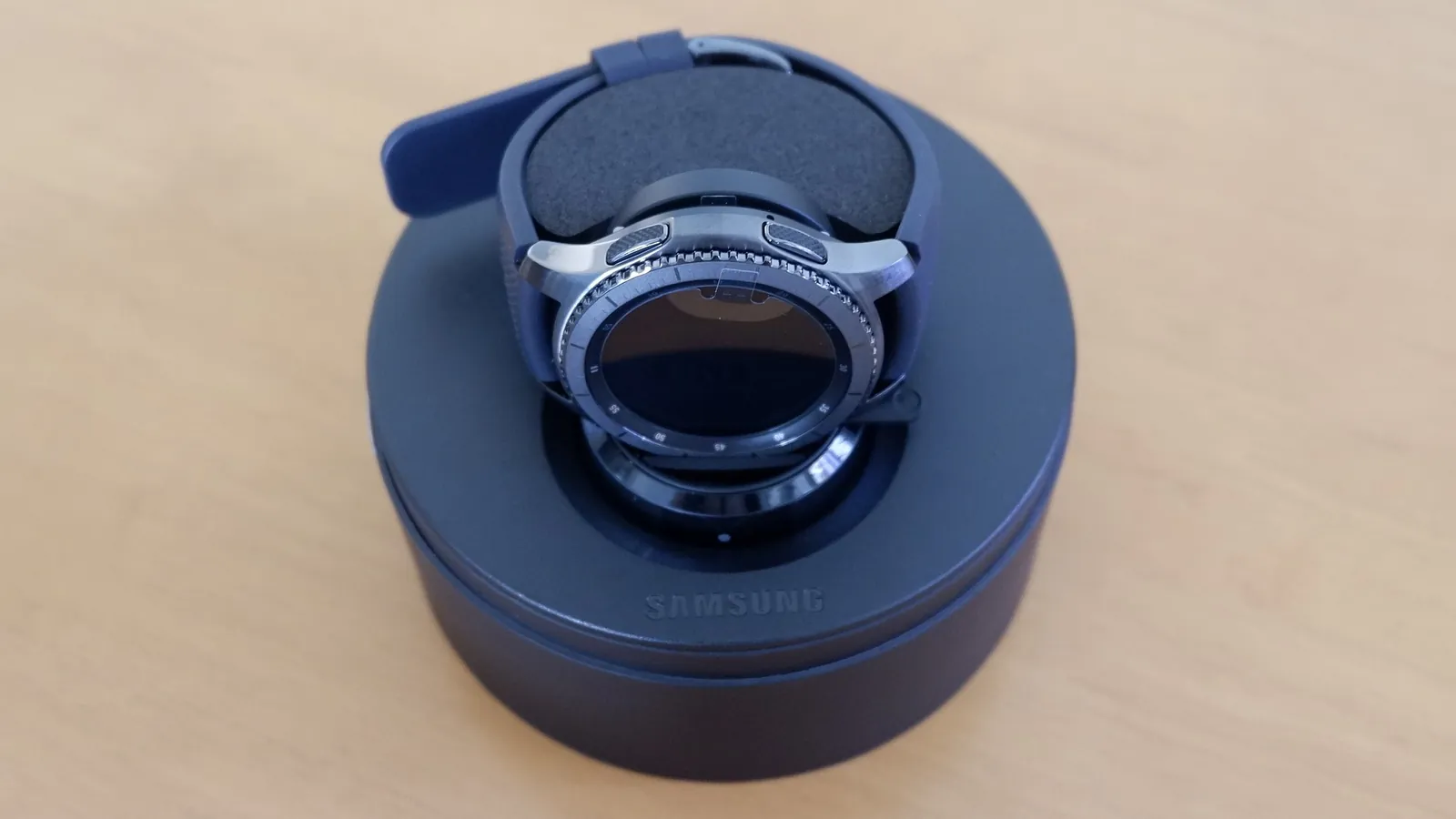
Many current Wear OS watches, including recent Samsung Galaxy Watch and Google Pixel Watch models, do not support iPhone. Always confirm on the manufacturer’s site.
What to compare
- Battery life: do you want daily charging, or something that lasts a week or more?
- Health and fitness: check for the sensors and GPS you need.
- Comfort: size and weight matter if you wear it during sleep.
- Cellular: this lets you use it without your phone, but it adds a monthly fee.
- Subscriptions: some health features require a paid plan.
A note on health features
Smartwatch readings are useful for spotting trends, but they do not replace medical devices or professional advice.