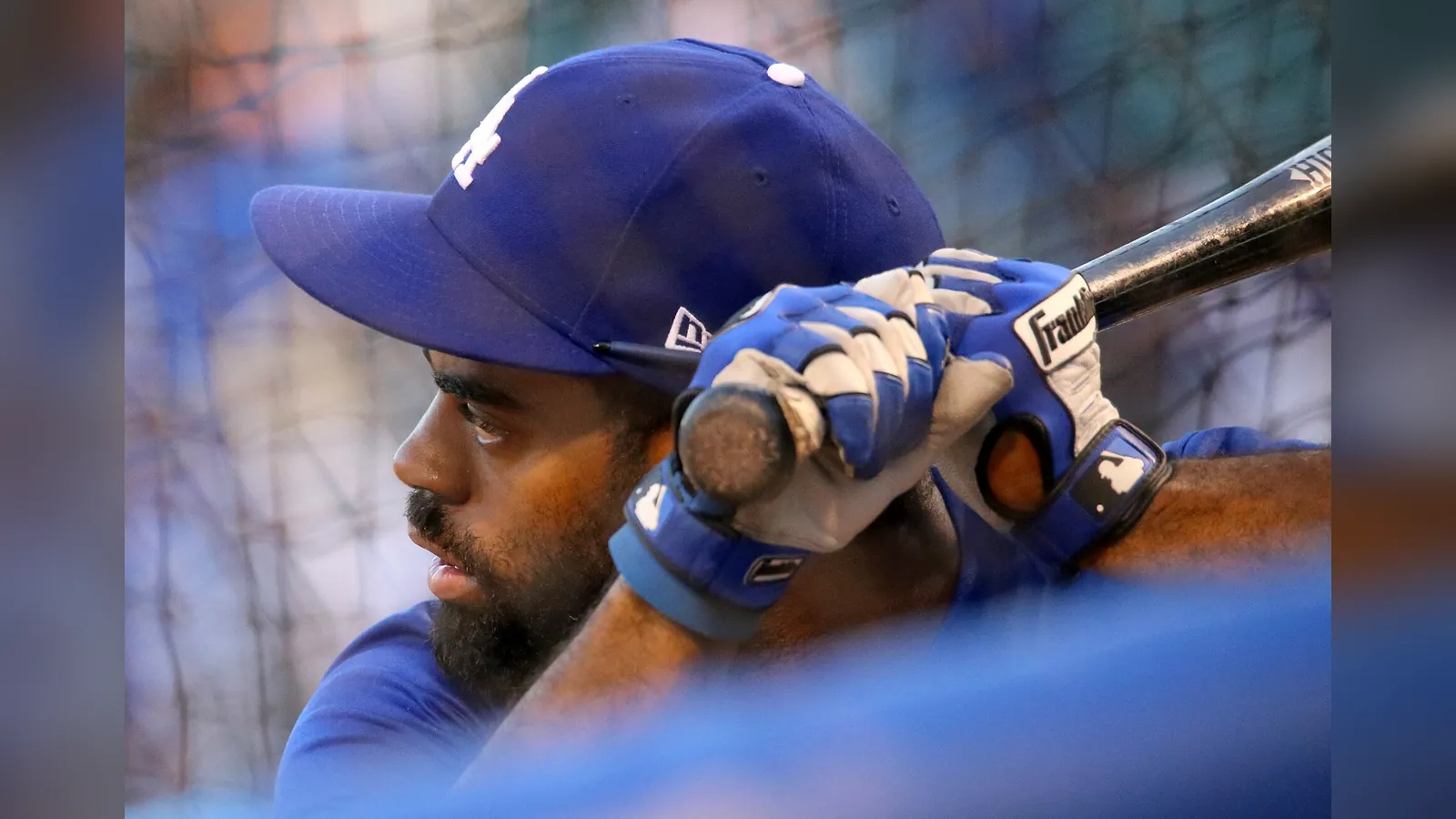
Baseball depends on rotation through the hips and torso, along with healthy shoulders. Gentle yoga can help players maintain mobility. It works best alongside, not instead of, a coach’s or athletic trainer’s program.
Key areas to work on
- Hips: for batting rotation and fielding.
- Hamstrings: for sprinting and bending.
- Thoracic spine: for upper-back rotation in hitting and throwing.
- Shoulders: for throwing mechanics.
Useful poses
- Low lunge: opens the hip flexors.
- Downward-facing dog: stretches hamstrings, calves and the back of the shoulders.
- Thread the needle: rotates the upper back.
- Cat-cow: mobilizes the spine.
- Figure-four stretch or a supported pigeon pose: stretches the outer hips. Use a gentle version if your knees are sensitive.
- Child’s pose: relaxes the back and shoulders.
How to practice
- Hold each pose for several slow breaths.
- Move gently, without forcing a stretch.
- Do longer sessions after training or on rest days.
- Before games, active warm-ups usually suit athletes better than long static holds.
Safety
Pitchers, and anyone with a current shoulder or elbow injury, should check with a doctor or athletic trainer before adding shoulder stretches. Stop if you feel sharp pain. Practicing on a hard floor? Read our guide to yoga mats for concrete floors.