Some of the best preschool toys start in the recycling bin. Homemade toys cost little, and making them can be part of the fun. An adult should prepare the materials and supervise play.
Easy ideas
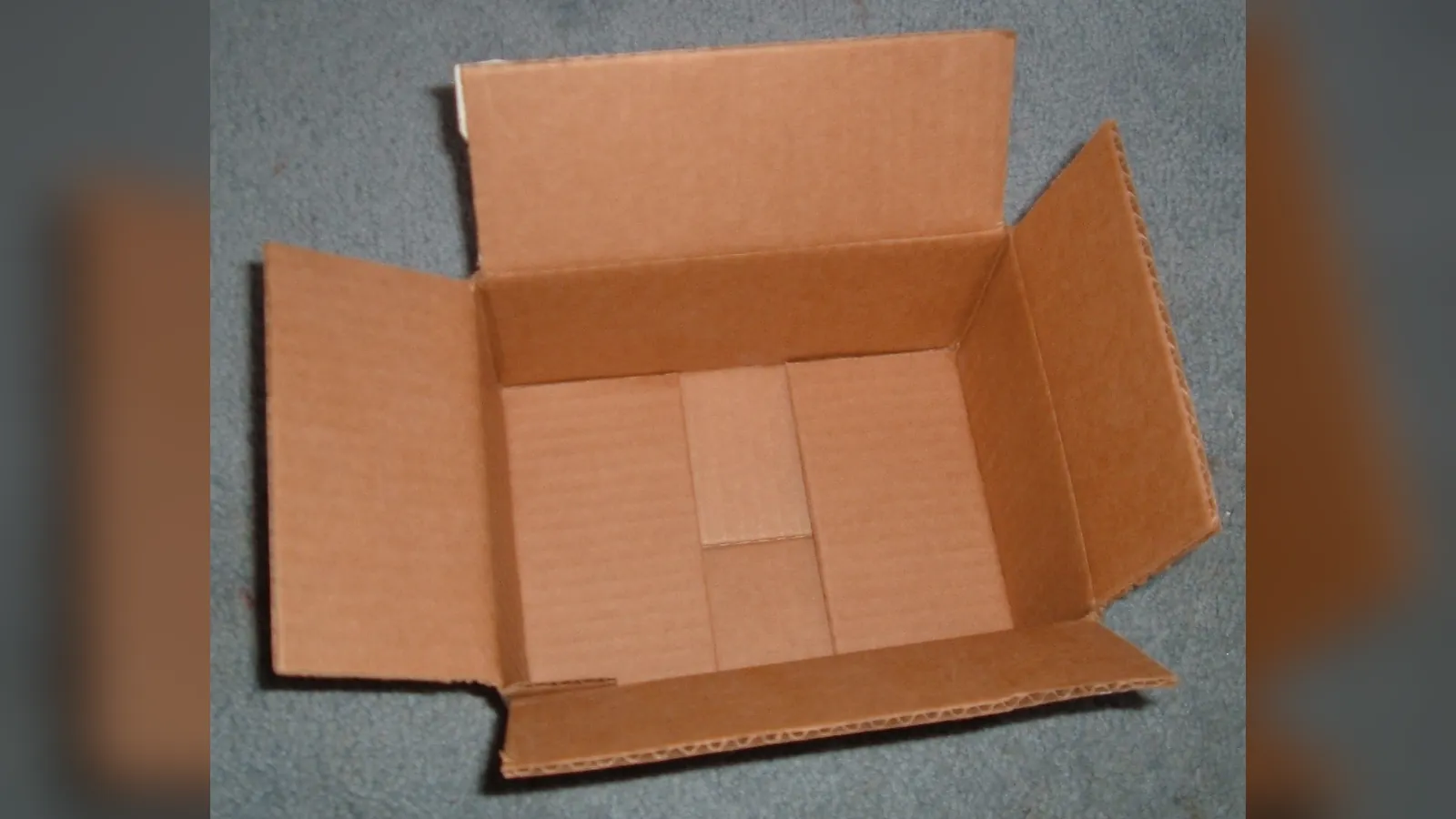
- Cardboard box play: turn a large box into a car, house or shop.
- Sensory bottles: fill a clear plastic bottle with water, glitter and beads. Glue the lid on securely, and keep checking it.
- Lacing cards: punch holes in sturdy card, and thread them with a thick lace that has a taped end. Supervise closely.
- Sorting game: use muffin tins and large pom-poms for color sorting.
- Cardboard tube ramps: tape tubes to a wall, and roll large balls through them.
- Felt story board: cut shapes to place on a covered board.
- Homemade instruments: tape a lid securely on a container of dry rice to make a shaker.
Safety checklist
- Avoid small parts. Children under three, or any child who still mouths objects, need extra care.
- Avoid button batteries and magnets entirely, as they are very dangerous if swallowed.
- Keep strings and cords short.
- Sand or cover rough edges.
- Use non-toxic paint and glue.
- Throw away damaged toys.
Why homemade toys help
Simple, open-ended toys encourage creativity, because a child decides what they become. Threading and sorting also build fine motor skills.
Going outside? See our guide to outdoor toys for preschoolers.