This guide is based on independent research into published specifications and general guidance. South Report has not physically tested the products discussed.
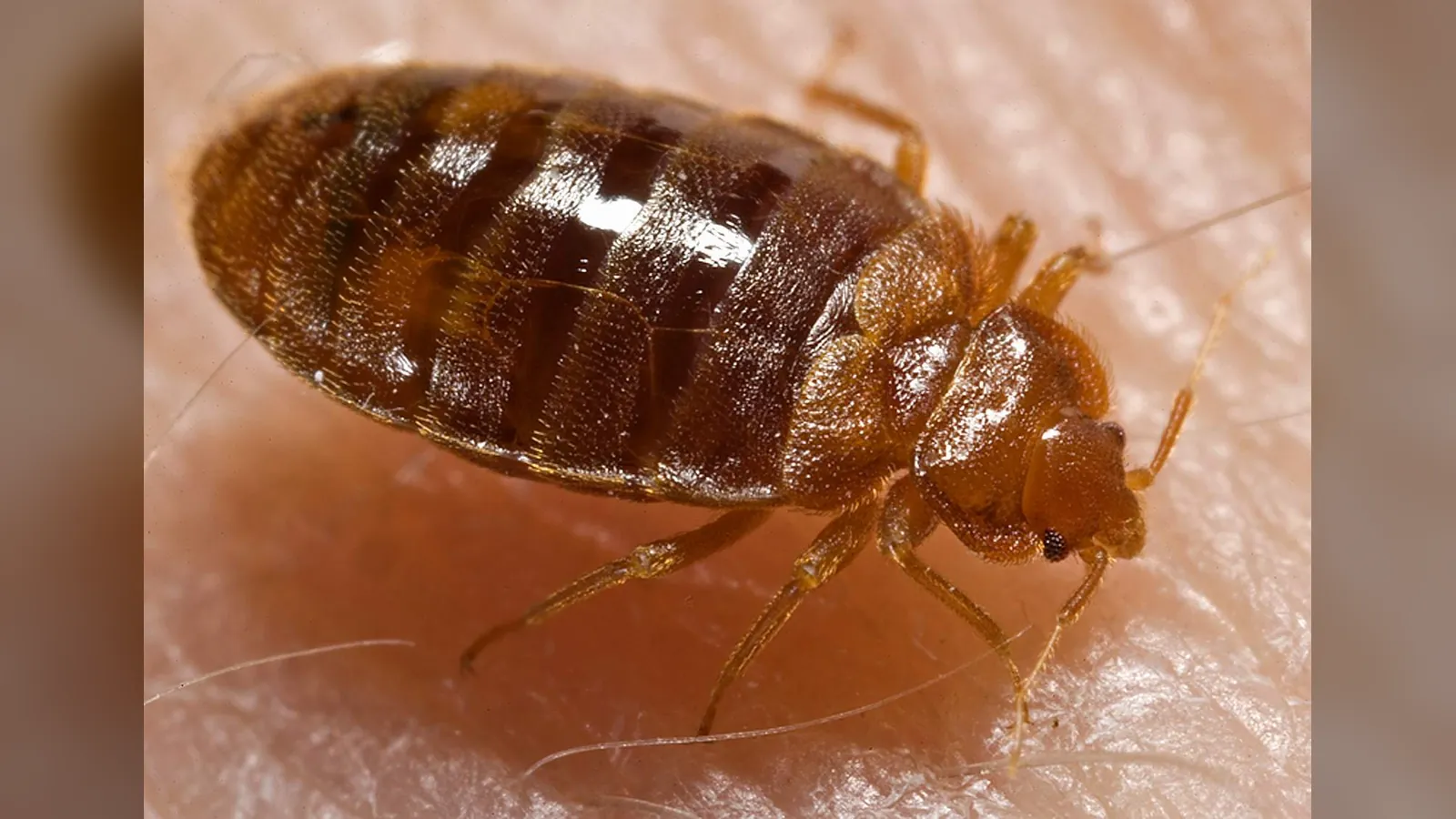
Bed bugs are hard to eliminate, and no single product will do it. No pesticide should be considered completely safe for pets either. The safest approach combines non-chemical methods with targeted, labeled products used correctly, or with a professional.
Start with non-chemical methods
- Hot dryer: dry bedding and clothing on high heat for at least 30 minutes.
- Vacuum: clean mattress seams, bed frames and floors, then seal and discard the bag or contents outdoors.
- Encasements: use bed-bug-proof covers on the mattress and box spring.
- Steam: a suitable steamer can kill bugs in seams and cracks. Follow the instructions, and use it carefully.
- Interceptors: cups under bed legs help trap and monitor bugs.
If you need a pesticide
- Choose a product registered by the EPA for bed bugs. The agency has a search tool on its website.
- Read the entire label, including pet instructions.
- Keep pets out until the treated area is dry, or for as long as the label says.
- Remove pet food, bowls, toys and bedding first.
- Be especially careful with cats, birds, fish and reptiles, which can be more sensitive.
- Avoid foggers, which are generally ineffective against bed bugs.
Protect your pets
Bed bugs prefer people, and they do not usually live on pets. Wash pet bedding on high heat. Call your veterinarian if a pet shows signs of illness after exposure.
When to call a professional
Most infestations need a licensed pest professional. Tell them about your pets, and ask about heat treatment, which reduces pesticide use.