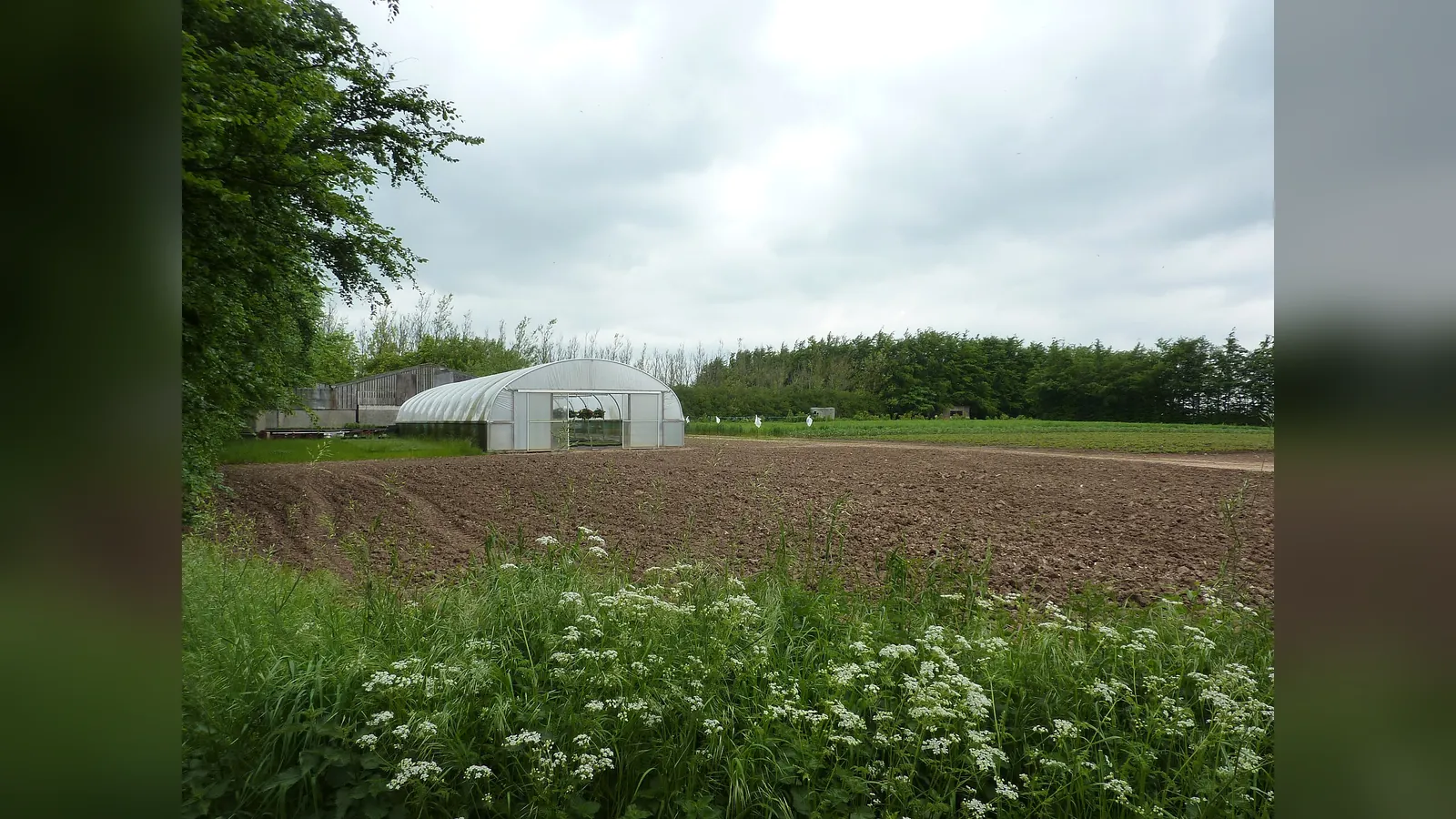
A greenhouse can keep fresh food coming through the cold months, even without much heating. The trick is to choose cold-hardy crops and plan around the short days.
Best crops for winter
- Leafy greens: spinach, kale, chard, lettuce, arugula and mustard greens.
- Root crops: carrots, radishes, beets and turnips.
- Others: scallions, peas and herbs such as parsley.
Plant early
Plant growth slows greatly when days become very short. Sow crops in late summer and early fall so they are well grown by winter. The greenhouse then acts more like a holding space, and you can harvest through the cold season. The timing depends on your location.
Keep plants warm
- Add row cover over crops inside the greenhouse for extra protection.
- Use water barrels or stone to store daytime heat.
- Seal drafts, and consider bubble insulation.
- If you use a heater, choose one rated for greenhouses and follow the safety instructions. Fuel-burning heaters need proper ventilation.
Manage moisture and airflow
Damp, still air encourages mold and disease. Water in the morning, and only when the soil needs it. Open vents on sunny days, because even a winter greenhouse can overheat.
Keep glazing clean
Winter light is precious. Clean the glass or panels, and add supplemental LED grow lights if you want faster growth.
Plan your year with the Seasonal Home & Garden Planner.