Most houseplants die from too much attention, particularly overwatering. These forgiving plants are a good place to start.
Easy plants for beginners
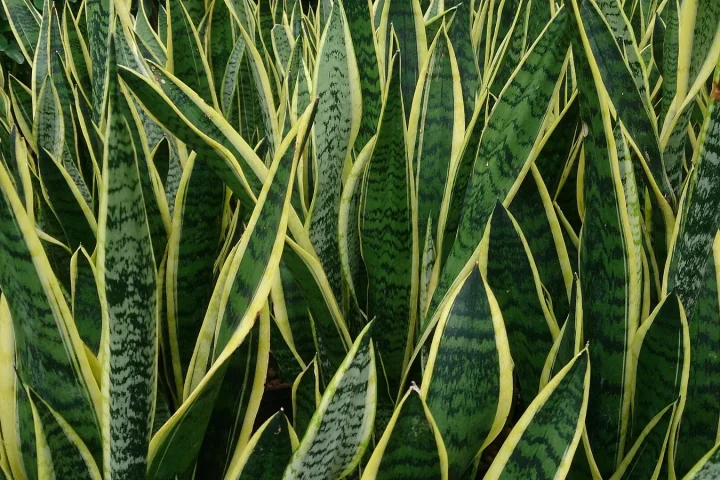
- Snake plant: tolerates low light and irregular watering.
- ZZ plant: stores water in its rhizomes, and copes with neglect.
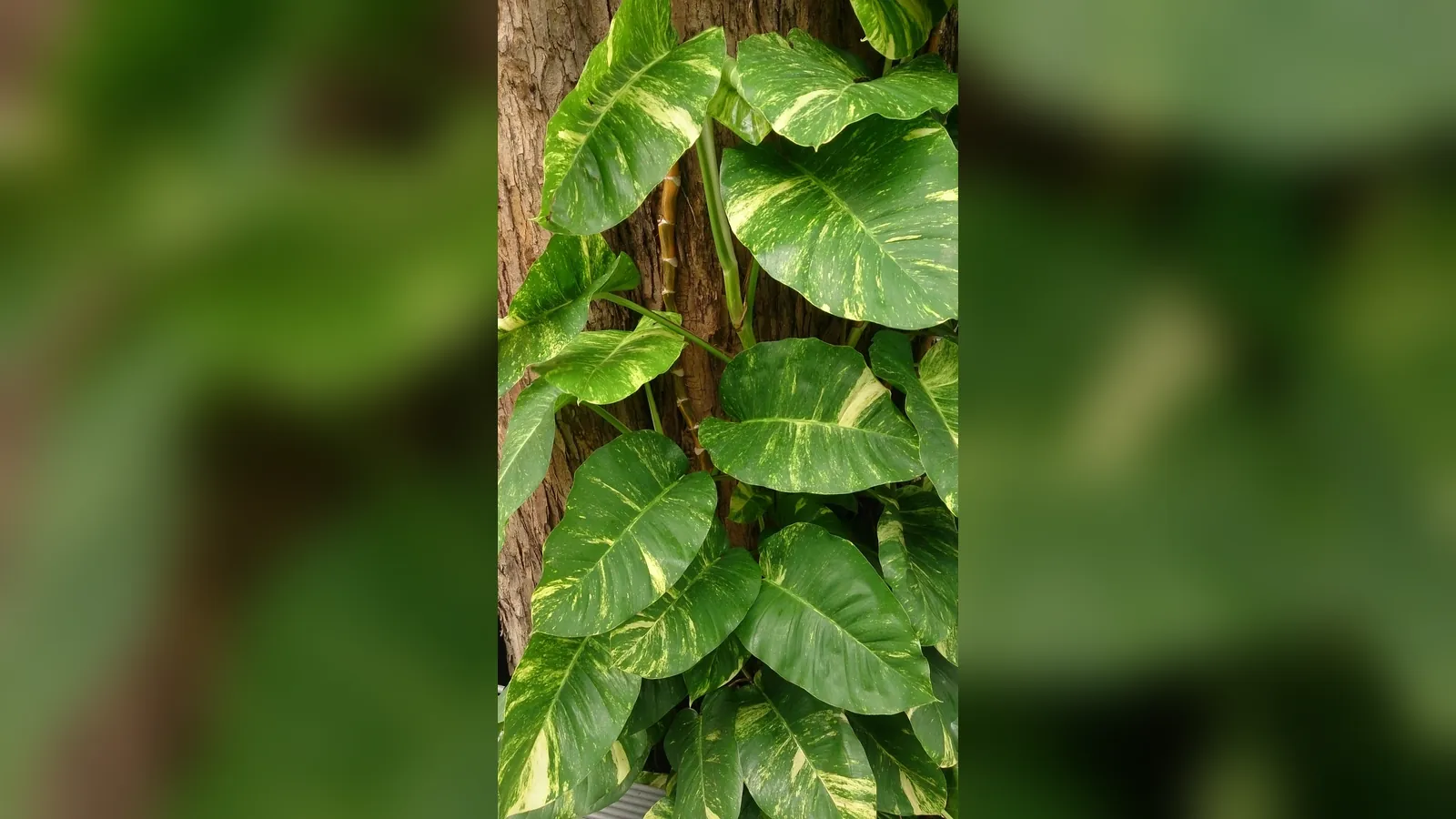
- Pothos: a trailing plant that grows quickly and shows when it needs water.
- Spider plant: easy to grow, and produces small plantlets.
- Philodendron (heartleaf): adapts well to most indoor conditions.
- Aloe vera: needs bright light and very little water.
- Cast iron plant: lives up to its name in dim corners.
Simple care rules
- Water when the top inch or so of soil is dry, not on a fixed schedule.
- Use pots with drainage holes.
- Choose a position to suit the plant’s light needs.
- Fertilize lightly during the growing season.
- Dust leaves now and then.
Check before you buy if you have pets
Several common houseplants are toxic to cats and dogs if chewed, including snake plants, pothos, philodendrons, ZZ plants and aloe. Spider plants and cast iron plants are generally considered non-toxic. Check the ASPCA’s plant list if you have pets.
For dim rooms, see our guide to plants that survive in low light.