No plant thrives in complete darkness, but several tolerate the dim corners and north-facing rooms that defeat others. In low light, plants use less water, so overwatering is the biggest risk.
Plants that cope with low light
- ZZ plant: glossy leaves, and very tolerant of neglect.
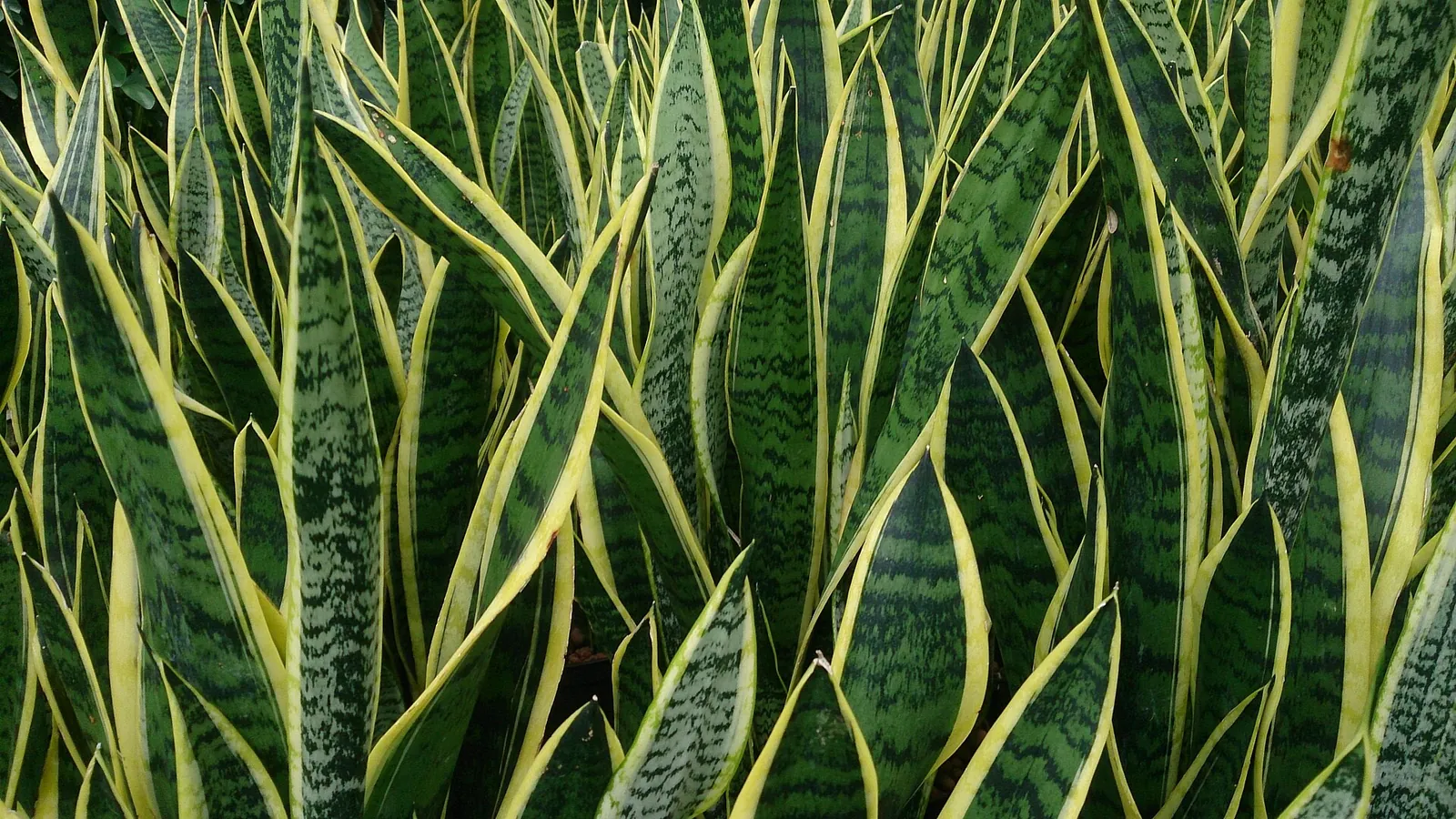
- Snake plant: upright growth that takes up little floor space.
- Cast iron plant: one of the toughest choices for dark corners.
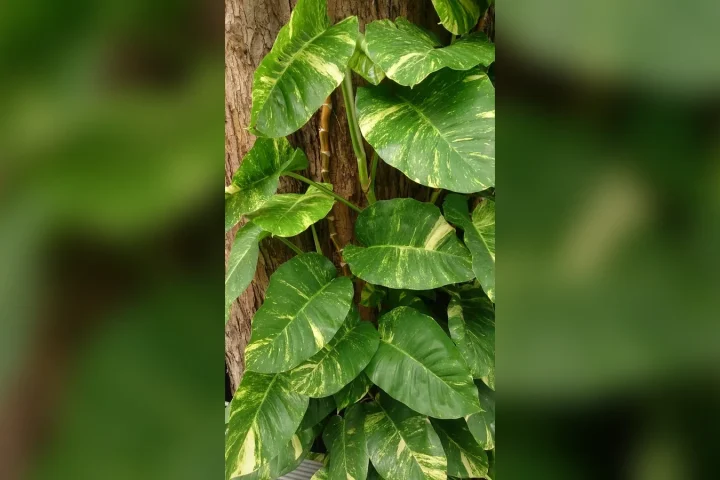
- Pothos: trails well, though variegated types may lose some pattern.
- Heartleaf philodendron: easy to grow on shelves.
- Peace lily: tolerates shade, but flowers better with more light.
- Parlor palm: a soft, compact palm for lower light.
Is your room bright enough?
If you can comfortably read by daylight, many of these plants will cope. If the room is too dim to read in during the day, plants will struggle. A plant needs real light, either from a window or a grow lamp.
Care tips
- Water less often than you would in a bright room.
- Wipe dust from leaves so they can absorb more light.
- Rotate the pot to keep growth even.
- Move plants closer to a window in winter.
- Consider a small LED grow light for windowless rooms.
Some of these plants are toxic to pets, so check before buying. See also our guide to easy indoor plants.