Most food safety comes down to a few consistent habits. These five tips follow the advice of US food safety agencies.
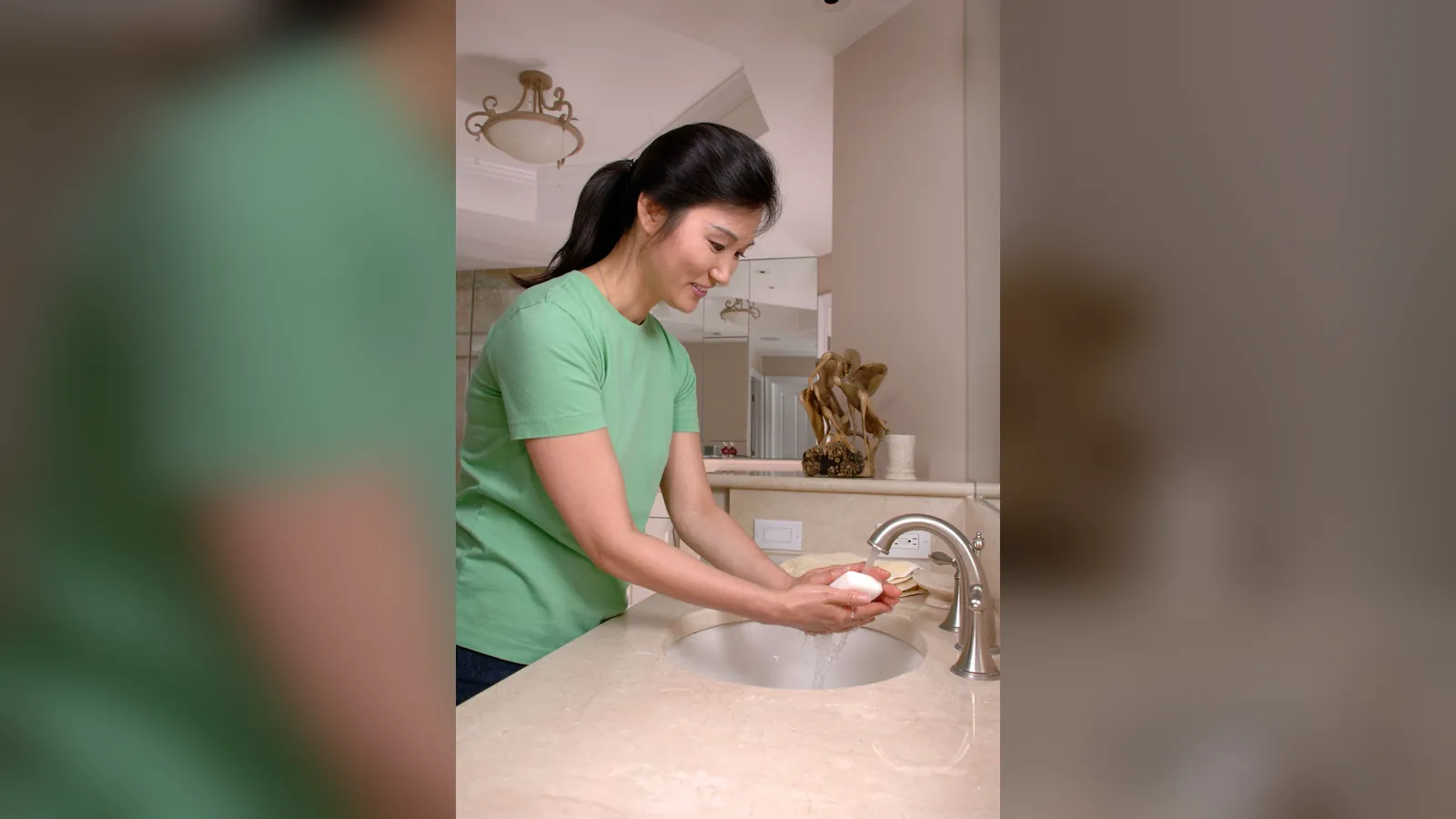
1. Wash your hands
Wash with soap and water for at least 20 seconds before cooking, after handling raw meat, and after using the bathroom.
2. Keep surfaces and produce clean
Wash cutting boards, utensils and counters with hot, soapy water. Rinse fruit and vegetables under running water. Do not wash raw meat or poultry, because this can spread germs around the sink.
3. Separate raw and ready-to-eat food
- Use separate cutting boards where you can.
- Store raw meat on the bottom refrigerator shelf, sealed.
- Never put cooked food on a plate that held raw meat.
4. Cook to a safe temperature
| Food | Minimum internal temperature |
|---|---|
| Poultry | 165°F |
| Ground meat | 160°F |
| Whole cuts of beef, pork and lamb | 145°F, then rest for 3 minutes |
| Fish | 145°F |
| Leftovers | 165°F |
Use a food thermometer, since color is not a reliable guide.
5. Chill food quickly
- Keep your refrigerator at 40°F or below, and your freezer at 0°F.
- Refrigerate leftovers within two hours, or one hour if it is above 90°F.
- Thaw food in the refrigerator, cold water or the microwave, and not on the counter.
When in doubt, throw it out. Fruit flies a problem? See our fruit fly guide.