This guide is based on independent research into published specifications and general guidance. South Report has not physically tested the products discussed.
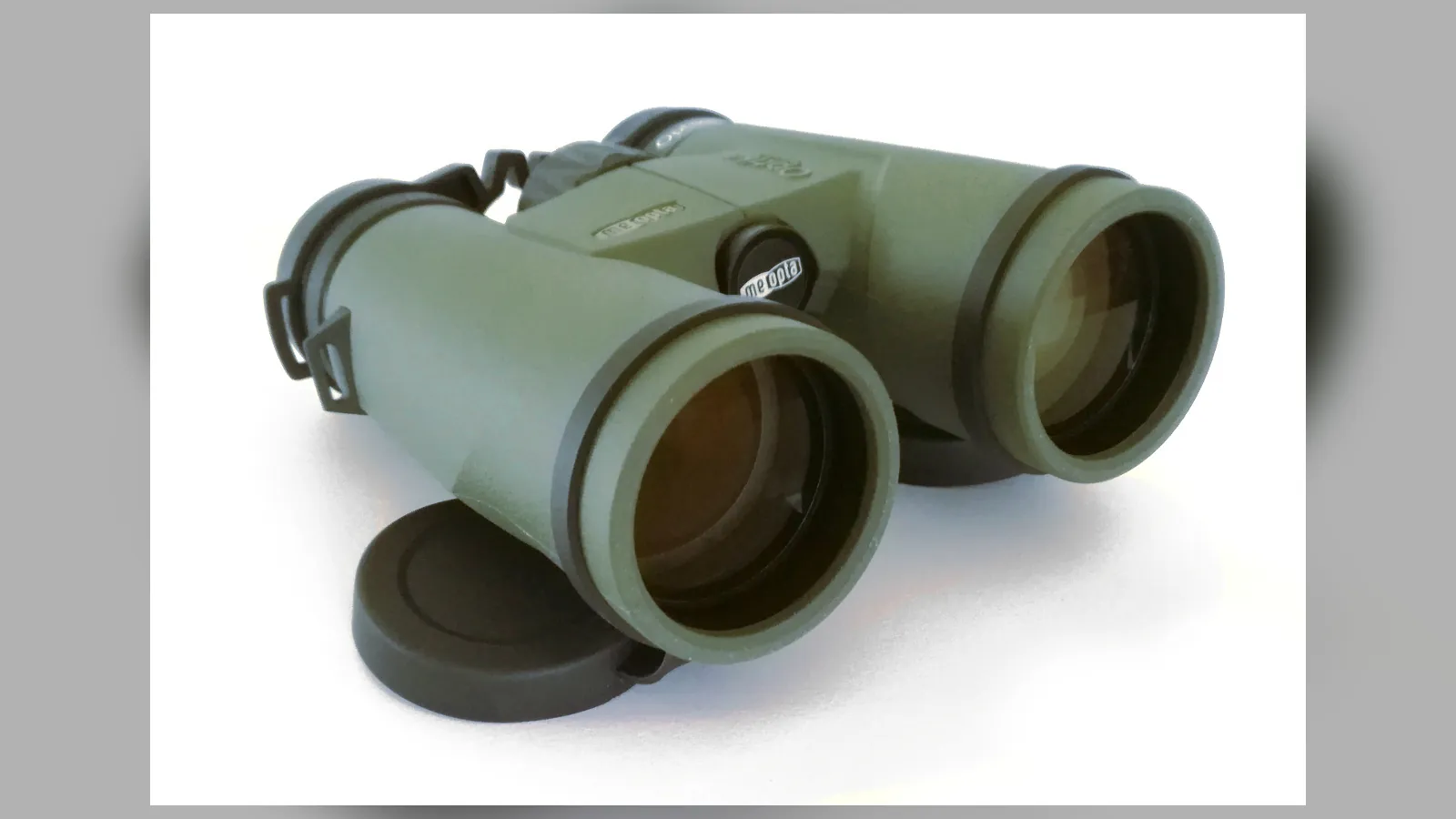
Compact binoculars are light enough to carry everywhere, which means you are more likely to have them when you need them. The trade-off is less light than larger models, so the details matter.
Understanding the numbers
A pair marked 8×25 magnifies eight times and has 25 mm front lenses.
- 8x: a wider view and a steadier image, and a good all-round choice.
- 10x: brings distant objects closer, but it shows more hand shake and has a narrower view.
- Objective size: larger lenses gather more light, but add weight. Most compact models use around 21 to 28 mm.
What to compare
- Field of view: wider views make it easier to find moving subjects.
- Eye relief: if you wear glasses, look for about 15 mm or more, and twist-down eyecups.
- Lens coatings: “fully multi-coated” usually means brighter images than simply “coated”.
- Prism type: BaK-4 prisms are generally preferred. Look for phase correction on roof prisms.
- Weather sealing: waterproof and fogproof models suit outdoor use.
- Weight and folding design: check that it fits your pocket or pack.
Limitations
Small lenses struggle at dawn and dusk. If you mostly use binoculars in low light, consider a larger size.
Safety
Never look at the sun through binoculars, as this can cause serious eye damage.