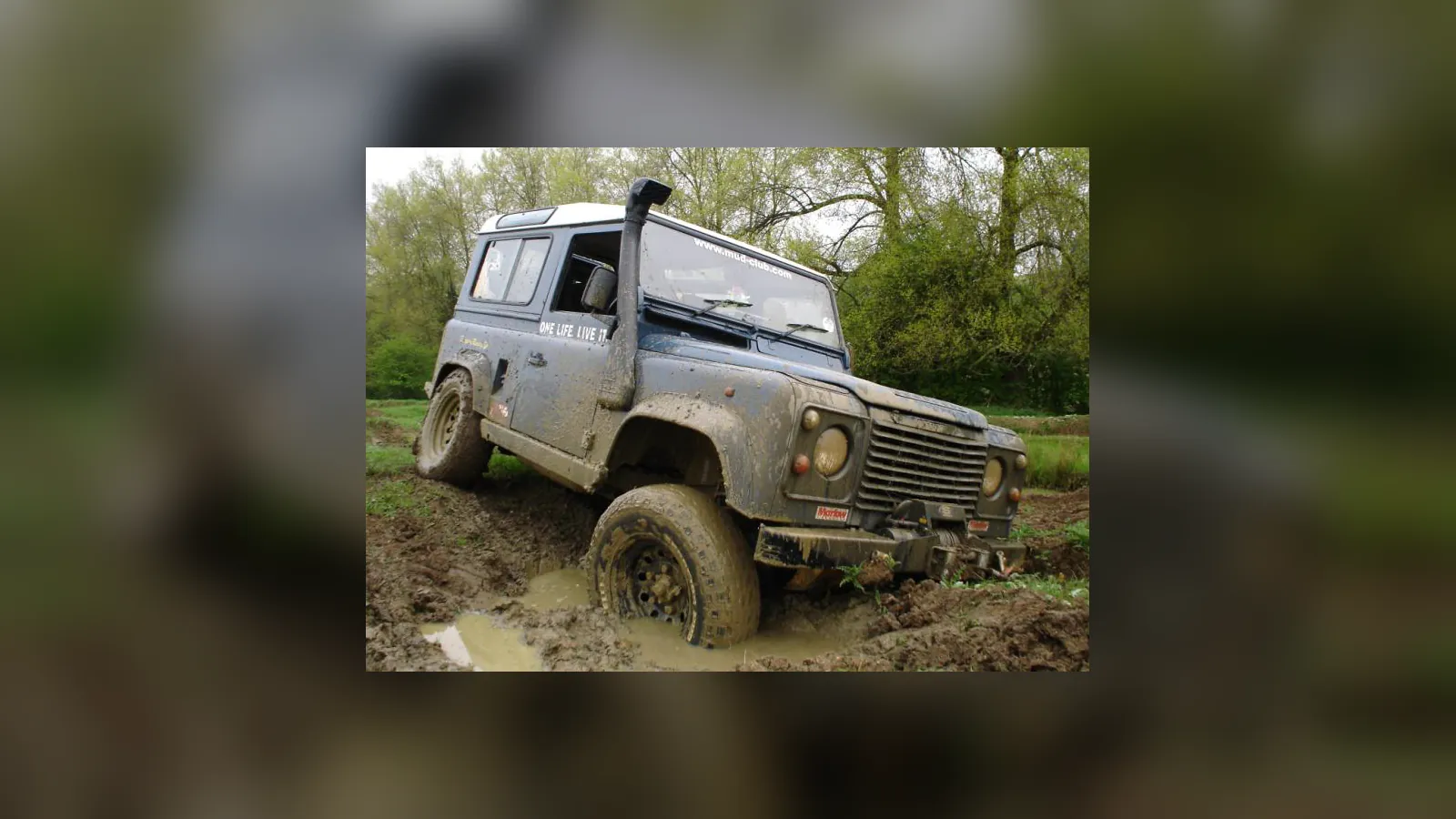
A skid plate is a sturdy panel fitted under a vehicle to protect vital parts from rocks, curbs and rough terrain. They are common on off-road vehicles, trucks and SUVs.
What they protect
- The engine’s oil pan.
- The transmission and transfer case.
- The fuel tank.
- The differentials and suspension parts.
Materials
- Steel: very strong and affordable, but heavy.
- Aluminum: lighter and corrosion-resistant, but can dent more easily.
- Composite or plastic: light, and good for minor scrapes, but less protective.
What to consider
- Driving needs: serious off-roading needs stronger, fuller coverage.
- Weight: heavy plates can affect fuel economy and handling.
- Fit: choose plates designed for your exact vehicle.
- Access: look for openings for oil changes and drain plugs.
- Cooling: plates should not block airflow to vital parts.
Installation
Many bolt on to existing mounting points. If you are unsure, use a qualified mechanic, and check that additions do not affect your warranty.