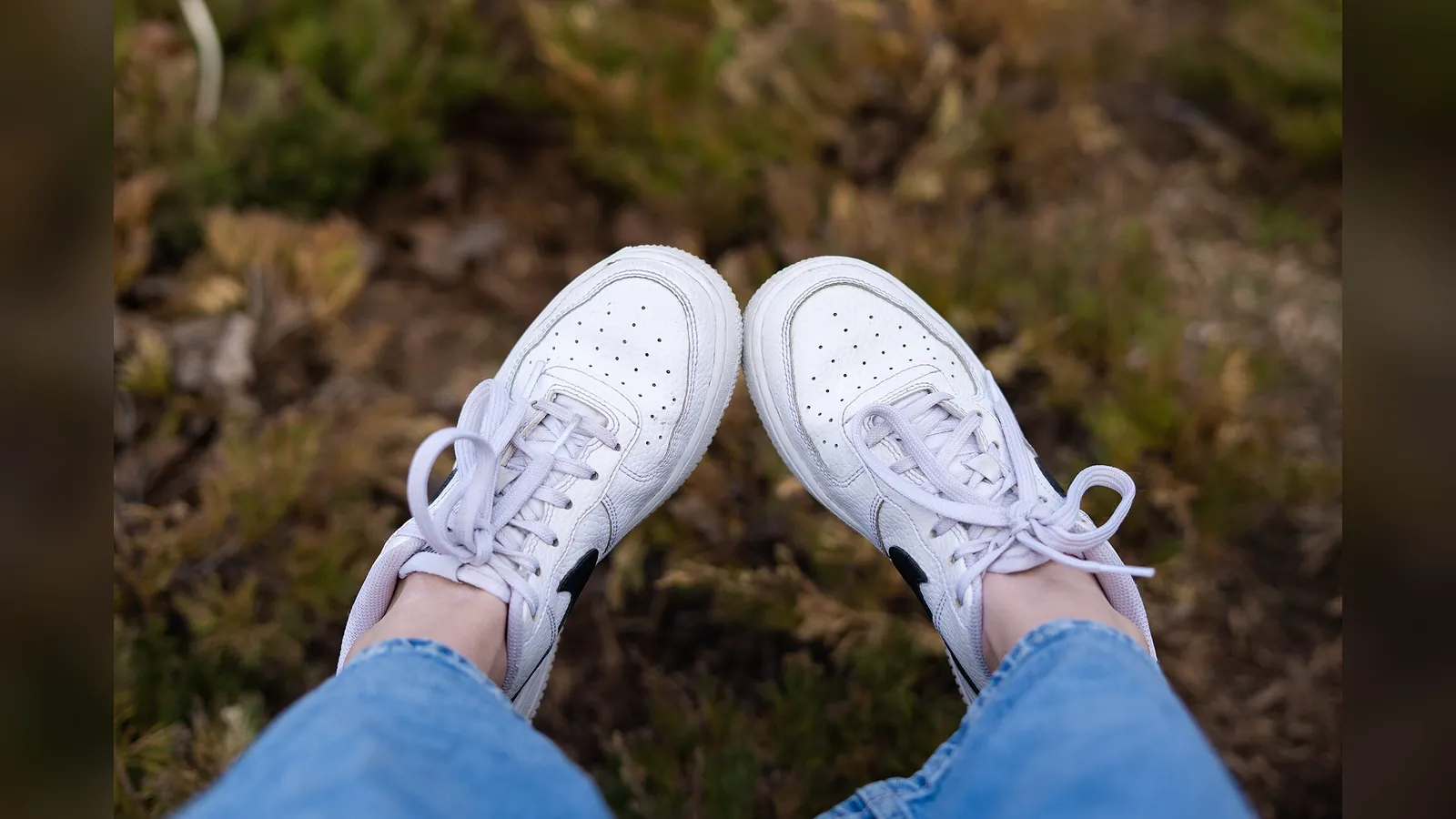
Quick sneaker cleaners can make shoes look fresh in minutes, but results vary. These seven factors explain why, and how to improve your results.
- Material: leather, canvas, mesh and knit clean fairly easily. Suede and nubuck need specialist products, and very little water.
- Type of stain: mud and dust come off easily, while oil, grass and ink usually need targeted treatment.
- How old the stain is: fresh marks are easier, so clean as soon as you can.
- The cleaner’s formula: foams, wipes and liquids suit different jobs. Check that it is labeled for your material.
- Brush choice: use a soft brush for uppers and knit, and a stiffer brush for rubber soles and midsoles.
- Amount of water: too much water can soak through to the insole, weaken glue and leave marks.
- Drying: let shoes dry naturally at room temperature. Heat from radiators or dryers can warp them and break down adhesives.
A simple cleaning routine
- Remove the laces and insoles.
- Brush off loose dirt.
- Test the cleaner on a small, hidden area.
- Apply the cleaner and work it in gently.
- Wipe with a clean microfiber cloth.
- Stuff with paper and leave to air dry.
Keep them cleaner for longer
Spray new shoes with a protector suitable for the material, and wipe them after wet or muddy wear. Always check the shoe maker’s care advice, especially for premium pairs.