A sewer backup is unpleasant, and can be a health hazard. Spotting the early signs gives you time to call a plumber before wastewater reaches the floor.
Warning signs
- Several drains slow at once: a single slow sink is usually a local clog, while many slow drains can point to the main line.
- Gurgling: drains or toilets bubble when other fixtures run.
- Water rising in unexpected places: flushing a toilet makes water appear in a shower or floor drain.
- Sewage smell: a persistent odor around drains.
- Water at the lowest drain: basement floor drains are often the first to overflow.
What to do immediately
- Stop using water in the building.
- Keep people away from affected areas.
- Avoid contact with wastewater, which can carry harmful germs.
- Switch off electricity to the area only if you can do so safely, without standing in water.
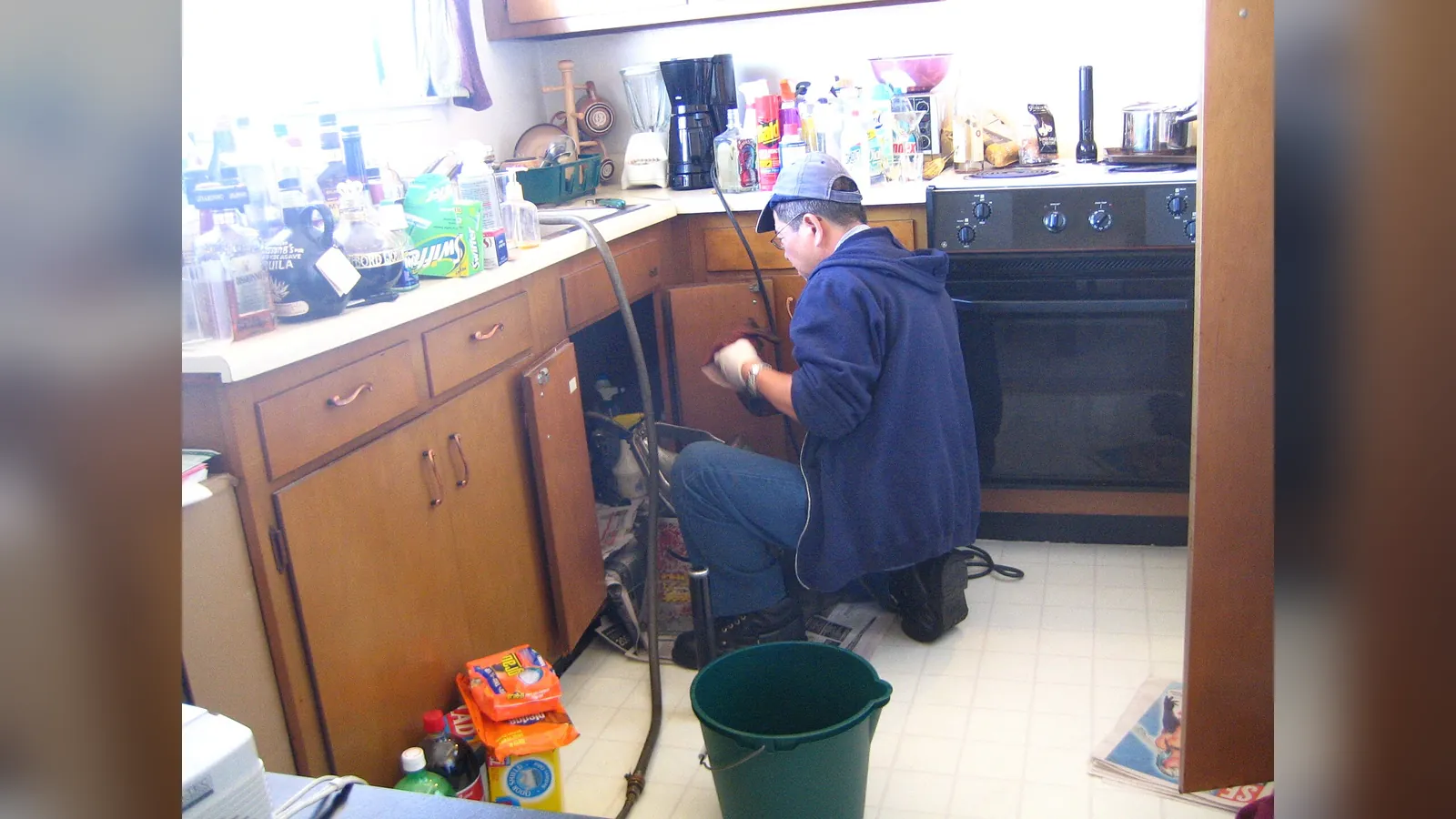
- Call a licensed plumber. In a workplace, inform building management.
Cleanup
Sewage cleanup needs protective equipment and proper disinfection. Professional restoration is usually the safest option, especially when porous materials like carpet or drywall are affected. Check your insurance policy, as sewer backup cover is often a separate add-on.
Prevention
- Never pour grease or fats down drains.
- Flush only toilet paper. “Flushable” wipes can still cause blockages.
- Ask a plumber about a backwater valve, which stops sewage flowing back into your building.
- Have older sewer lines inspected with a camera, especially near large trees.