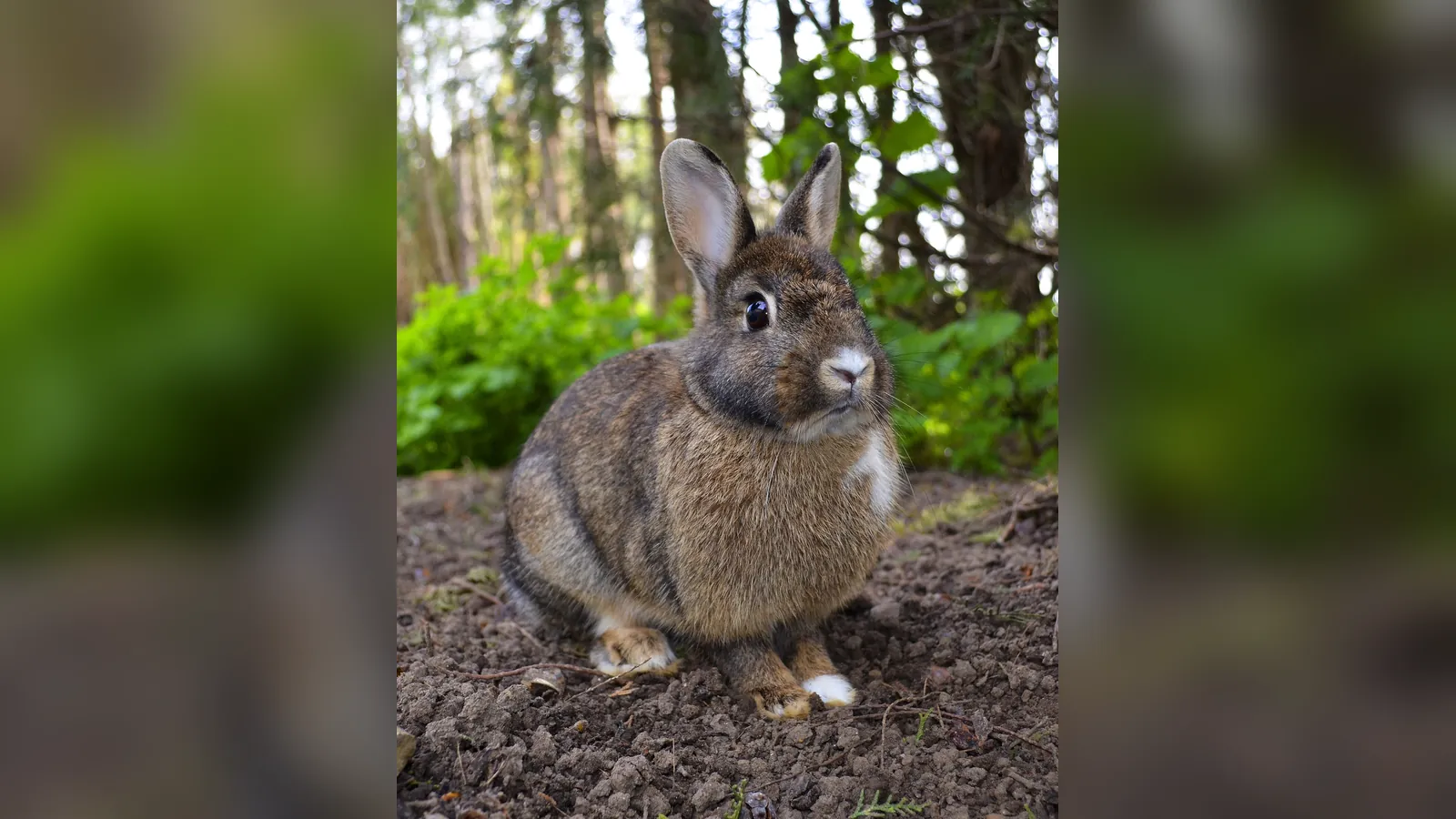
Chewing is natural for rabbits, because their teeth never stop growing. You will not stop it entirely, so give them a safe alternative, and protect the wood you care about.
For pet rabbits indoors
- Offer plenty of hay: grass hay should make up most of a rabbit’s diet, and it wears teeth down naturally.
- Provide safe chews: try untreated apple or willow sticks, cardboard boxes and rabbit-safe toys.
- Protect surfaces: cover baseboards and furniture legs with rabbit-safe panels or clear guards.
- Limit access: use pens or gates around problem areas.
- Keep them busy: boredom increases chewing, so offer time, space and company.
Check that any wood, stain or deterrent is safe for rabbits, and avoid treated wood. Protect electrical cords at all times. If chewing suddenly changes, ask a rabbit-savvy veterinarian to check for dental problems.
For wild rabbits outdoors
- Wrap young trees: hardware cloth around the trunk prevents bark damage. Make it at least two feet high, and allow for snow depth, because rabbits can stand on it.
- Fence garden areas: use fine mesh, with the bottom edge buried a few inches.
- Remove cover: clear brush piles nearby, where rabbits shelter.
- Repel with care: repellents wear off and need reapplying, particularly after rain.
Check local wildlife rules before trapping or moving animals.
Protecting your fruit too? See what animals eat strawberries.