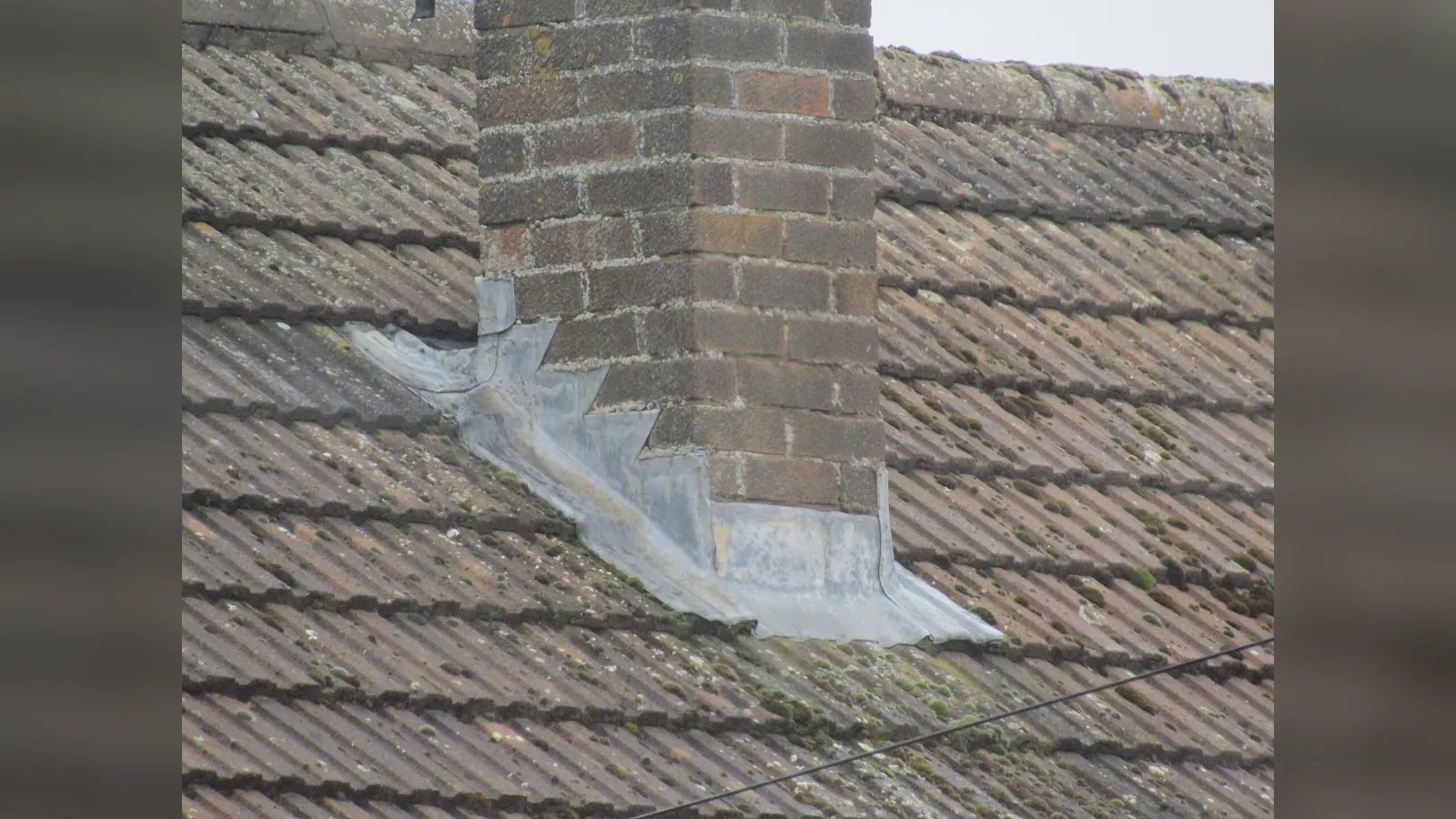
Flashing is thin material, usually metal, that directs water away from the joints on a roof. Many roof leaks begin at flashing rather than the shingles themselves, so it deserves attention.
Where flashing is used
- Around chimneys
- In valleys, where two roof slopes meet
- Around skylights and vent pipes
- Where a roof meets a wall
- Along roof edges, as drip edge
Common types
- Step flashing: individual pieces woven with shingles along a wall.
- Valley flashing: channels water down roof valleys.
- Counter flashing: covers the top of base flashing, often around chimneys.
- Pipe boots: seal around vent pipes.
Choosing a material
- Aluminum: light and easy to shape, but avoid direct contact with masonry unless protected.
- Galvanized steel: strong and affordable.
- Copper: very durable, and usually more expensive.
- Stainless steel: durable in harsh climates.
Avoid direct contact between incompatible metals, which can cause galvanic corrosion. A roofer can match flashing to your roof material and local climate.
Signs of trouble
- Rust, cracks or loose sections
- Water stains on ceilings near chimneys or skylights
- Dried-out sealant
Repair or replace?
Small problems may be repaired, but flashing often needs replacing when a roof is replaced. Roof work is dangerous, so hire a licensed, insured roofer, and follow local building codes.