This guide is based on independent research into published specifications and general guidance. South Report has not physically tested the products discussed.
On a hot hike, your water system is safety equipment. The best choice depends on the length of the route, the temperature, and whether you can refill along the way.
Main options
- Insulated stainless steel: keeps water cold for hours, but it is heavier.
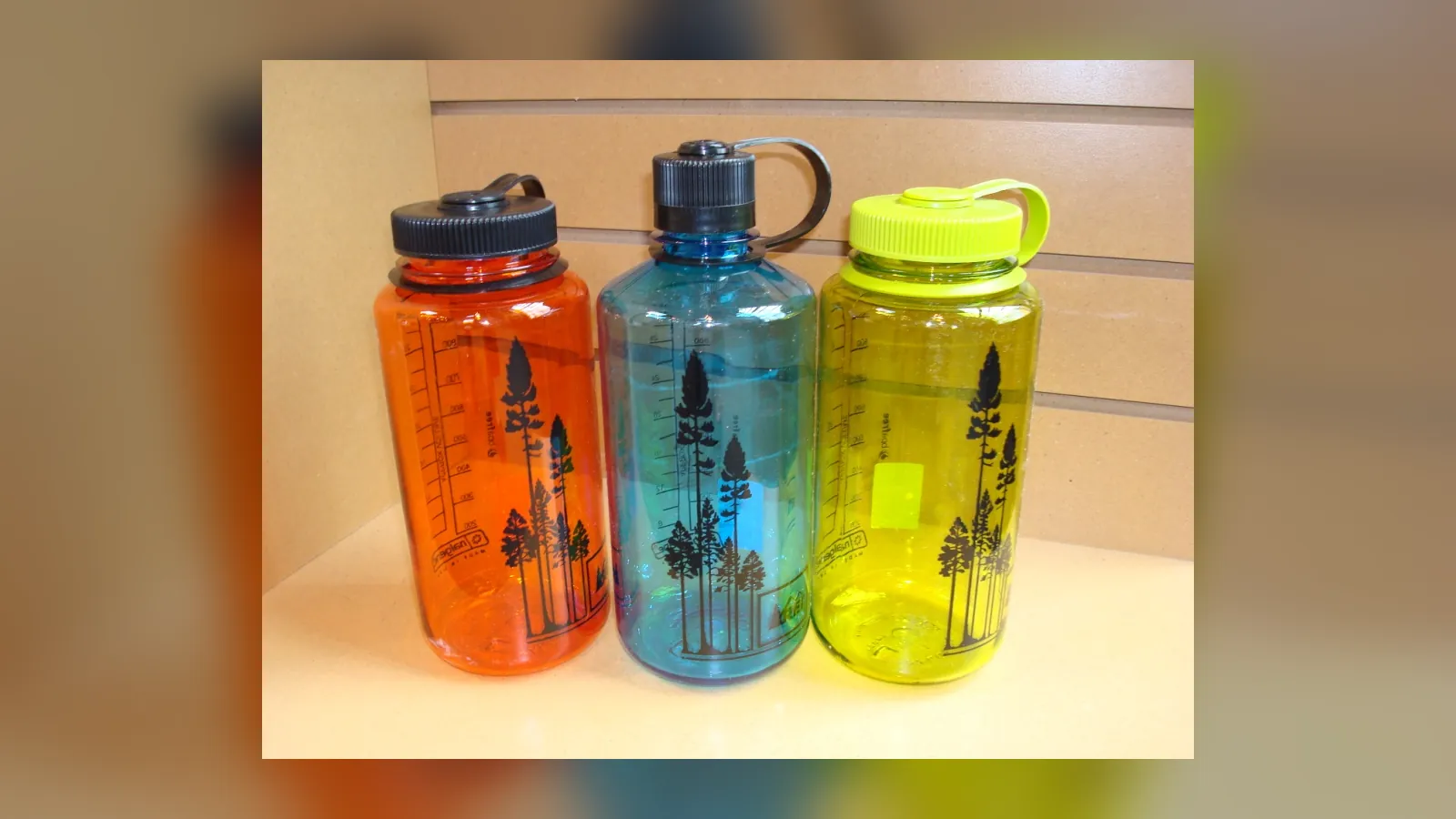
- Plastic bottles: light and inexpensive. Look for BPA-free materials.
- Soft flasks: pack down as you drink, and are popular for trail running.
- Hydration bladders: let you sip regularly without stopping.
- Filter bottles: useful where you have reliable water sources, but check what they filter.
How much water to carry
A common starting point is about half a liter per hour of moderate hiking, and more in strong heat or on steep terrain. Check conditions for your route, and always carry more than you think you need if there is no refill point.
Features to check
- A wide mouth for adding ice and for easier cleaning.
- A lid that does not leak, and that you can open with one hand.
- A size that fits your pack’s side pocket.
Hot-weather tips
- Start early, and avoid the hottest part of the day.
- Drink regularly, and replace electrolytes on long hikes.
- Stop and seek shade if you feel dizzy, confused or nauseous. Heat illness can become an emergency.